

Inside a Soroban Class in Tokyo vs. a Local Indian Abacus Centre

Opening — Two Classrooms, Two Worlds
- In Tokyo, children arrive at the Soroban School “Surasura Soroban” near Kiba station. Some are as young as 3 years old, others move up through elementary and even high school age. Their classroom is calm but focused: tools include not only physical soroban (abacus), beads, rhythm, but also tablets, flash drills, and a curriculum that blends group instruction with self-paced digital reinforcement.
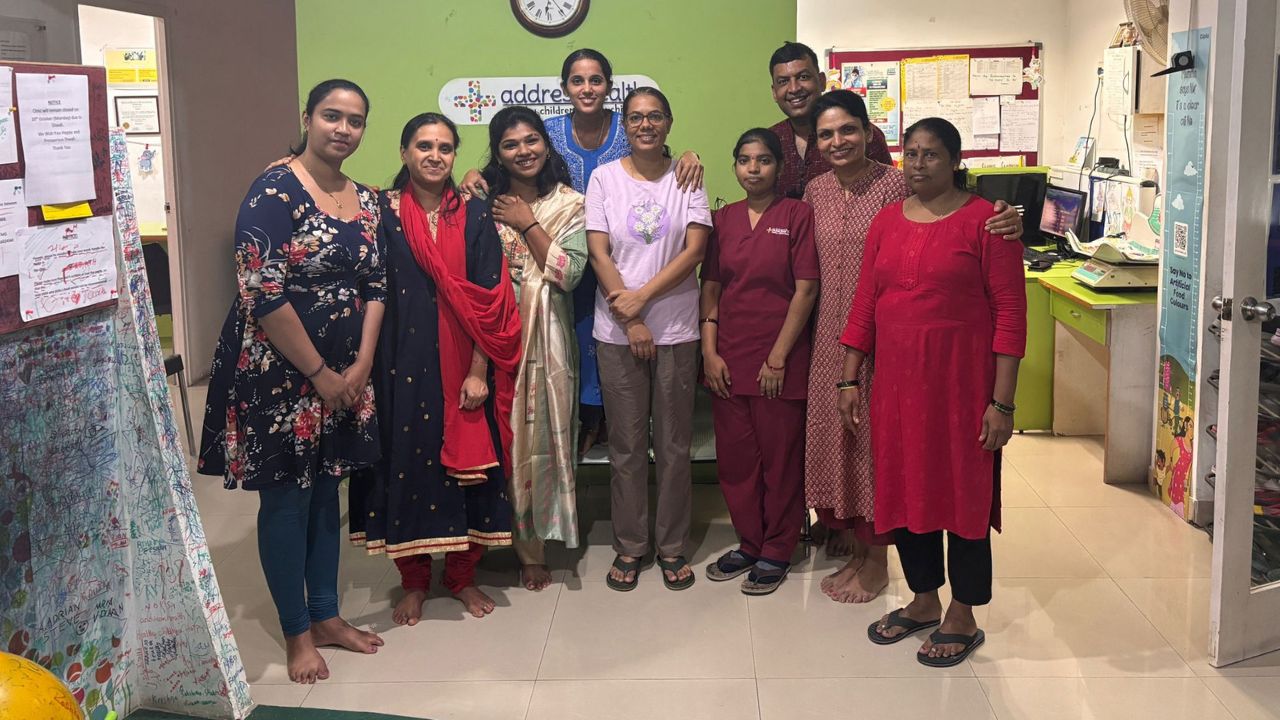
- In Bangalore (or another Indian city), a child walks into an Abacus Centre. There the classes are typically held once or twice per week; sessions involve hands-on abacus practice, speed drills, flash image recognition, oral sums, with batches of 10-15 students per class. Parents often choose such centres as supplementary coaching.
The tools (beads, counting), the aim (faster, more confident calculation), and the energy (kids trying hard, parents hopeful) are similar—but the shape, rhythm, and supports differ. Below are a breakdown of what each type of class tends to offer, what works well, and what lessons India’s abacus centres might borrow (and vice versa).
What a Typical Soroban Class in Tokyo Looks Like
We draw on information from schools such as Surasura Soroban and “Soroban Classroom 88-kun.” Key features include:
| Feature | Description / Examples |
|---|---|
| Age & Levels | Starts very young—some as early as 3 years old. Classes go up through older ages. There are multiple “levels” of advancement. |
| Class Frequency & Schedule | Students attend quite regularly: some classes many times per month (4-16 times per month depending on course selected). Also options to attend once per week or more, with miss-ups allowed, free transfers between classes. |
| Use of Digital/Blended Tools | Even in traditional soroban schools, there is tablet use for independent learning, digital flash drills, apps for home practice. |
| Small Classes, Close Feedback | Classes tend to be smaller; instructors give close, individualized guidance. Use of physical abacus, but also mental visualization (anzan) gradually introduced. |
| Motivation & Assessment | Regular examinations or assessments. In some classrooms there are standardized tests/exams a few times a year; tracking progress is visible to parents and students. Free make-up sessions in some centres to accommodate missed lessons. |
| Cultural Value & Integration | Abacus (soroban) is culturally respected; there is still strong value placed on mental calculation even though calculators exist. Many children learn via “juku” (after-school cram or support schools) or as part of broader enrichment. Soroban skills are believed to foster patience, concentration, sense of numbers, mental capacity. |
What a Typical Indian Abacus Centre Is Like
Using sources from Indian Abacus, ACFE, here’s the sketch:
| Feature | Description / Examples |
|---|---|
| Age & Levels | Centres typically begin with children around 5 years old to early school grades. Levels are structured (foundation, intermediate, advanced) often with fixed durations (e.g. 12 weeks per level at Indian Abacus). |
| Class Frequency & Schedule | Many centres run classes once or twice per week; weekend or short sessions are popular. Sometimes weekday + weekend mixed. For example, Indian Abacus centers have weekend classes (~2 hours or more per session) and school-institution partnership classes with shorter frequent sessions. |
| Blended / Digital Support | Some centres use digital tools, flash cards, image flash, but less uniformly integrated with hardware/equipment. Some online options (especially since COVID). But digital practice is often supplementary rather than core. |
| Teacher-Student Ratio & Attention | Many centres advertise class sizes up to 15, sometimes fewer in elite or weekend batches. Emphasis on speed writing, oral sums, timed exercises. Less often is there one-on-one guidance or make-ups or transfers. |
| Assessment, Motivation & Certification | Levels or grades, certificates awarded per level. Sometimes exams or tests. But frequency of assessments, quality of feedback, and culture of competition varies widely. Some centres tie up with international competitions; many do not. |
| Cost / Accessibility | More variability: franchise models, many small centres; cost, travel, availability differ. Private centres dominate; public or more affordable options less prominent. Online helps in some places. |
Comparing: Strengths and Weaknesses
| Domain | Soroban Class (Tokyo) – Strengths | Indian Centre – Strengths |
|---|---|---|
| Early Start & Regularity | Very young learners, frequent classes, smooth progression | Some centres offer weekend or school-based classes; many eager parents; varied options. |
| Integration with Culture & Values | Strong cultural value; parents accept mental calculation as useful; classes seen as part of child’s broader enrichment. | High parental demand; competition options; supplementary learning valued. |
| Use of Digital / Blended Tools | Tablets, apps, flash drills integrated; helpful for home practice and visualization. | Many centres offering digital/supplemental tools, online classes; though integration less systematic. |
| Teacher Quality / Feedback | Small class sizes; close guidance; allowances for missed sessions; flexibility. | Some centres maintain good ratios; dedicated teachers; but quality can be inconsistent depending on centre. |
| Motivation & Assessment | Regular testing; visible progress; prestige in competence; peer support (group learning across ages). | Levels and certificates; competitions; strong motivational structures in many centres. |
| Domain | Soroban Weaknesses / Challenges | Indian Centre Weaknesses / Challenges |
|---|---|---|
| Cost / Accessibility | In Tokyo and Japan generally, soroban classes can cost more; commuting, materials, teacher time add up. Also, children may have busy schedules with many extracurriculars. | Many centres are fragmented; quality varies; sometimes cost or time constraints; often only occasional classes (once/week) limit momentum. |
| Pressure / Speed Emphasis | In some cases, speed can become the focus, possibly at risk of neglecting deeper comprehension. | Same risk: some centres overemphasize speed and competition; children may feel pressured; inconsistent support for mental visualization. |
| Scaling & Standardization | While soroban has tradition, not all schools formally include it; parents seeking classes may have to find specialized centres (“juku”). | Lack of standardized teacher training; curriculum variation across centres; differences in assessment rigor and follow-through. |
Insights: What Each Can Learn From the Other
Lessons Indian Centres Could Adopt from Tokyo Soroban Schools:
- Earlier start + more frequent classes: Bringing children in as early as 3-4 years, and ensuring more frequent/smaller sessions to build foundation.
- More blended digital integration: Apps, tablets, and online tools used both in class and for homework could reinforce visualization skills.
- Flexible attendance & make-ups: Allowing makeup classes, transfers between batches helps continuity when children miss lessons.
- Strong culture of progress & assessment: Regular tests, visible metrics of improvement, and parent feedback loops.
Lessons Tokyo-style Soroban Schools Might Learn / Reinforce:
- Inclusivity and affordability: Some Indian models (franchises, smaller centres) could offer lower-cost or community programmes that Tokyo-style schools can collaborate with.
- Cultural adaptation: Combining local math curriculums or student challenges to ensure abacus complements school exams and homework.
- Parent involvement & awareness: Indian centres often engage parents; Tokyo ones could amplify parent education about why abacus matters beyond speed.
What This Means for Parents Who Want the Best of Both Worlds
If you’re a parent choosing between or wanting to combine these models, here are strategies:
- Seek centres (or online programs) that start early, offer frequent sessions (more than once a week if possible), and give you opportunities to see progress (tests, feedback).
- Ask about digital/home components. Does the class provide flash drills/apps? Can child practice at home with support?
- Prioritize teacher quality: small class size, teacher training, ability to do mental soroban (visualization) exercises—not just physical bead movement.
- Consider cost-benefit: sometimes paying more for a rigorous, consistent program may deliver better long-term value (speed, confidence, less frustration) than a cheaper, intermittent one.
Conclusion
Inside a Soroban class in Tokyo and a local Indian abacus centre, the heart is the same: the magical transformation when children learn to see numbers dancing in their mind. But the shape of the journey—the frequency, tools, structure, feedback, cultural supports—differs. Indian abacus centres already do a lot well; by selectively adopting some of the Tokyo-style practices around regularity, digital blending, assessment, and early start, they can help more children move from beads to brilliance.
At the end of the day, whether in Tokyo or your hometown, it’s the consistency, quality of instruction, and joy in learning that turns an abacus from just rods and beads into a tool that builds lasting brain strength.